Each state publishes its own list of the diseases mosquitoes spread there, and its own advice on keeping them away. They agree on a great deal, but not on everything, so each keeps its own words here.
What each state names, and what it asks of a screen
Each row below is one state health department’s own page, in its own terms. The lists of diseases are as each page gives them; read the linked page for the full detail.
| State | Diseases its health department names | What it says about screens |
|---|---|---|
| Victoria | Barmah Forest virus, Ross River virus, Japanese encephalitis, Murray Valley encephalitis and West Nile/Kunjin virus. It adds that other mosquito-borne diseases reported in Victoria, such as dengue, were caught interstate or overseas. | Keep fly screens on windows, doors, vents and chimneys, no coarser than 12 × 12 meshes per 25 mm, or 1.2 mm. |
| Queensland | Ross River and Barmah Forest viruses are the most common; others include dengue, Japanese encephalitis virus and Murray Valley encephalitis. | Cover doors and windows with insect screens and keep them in good condition, with no visible damage. Where doors and windows have no screens, use mosquito nets, particularly in sleeping areas. |
| New South Wales | Japanese encephalitis, Ross River, Barmah Forest, Kunjin and Murray Valley encephalitis viruses, which some mosquitoes transmit in NSW. | Install fly screens on windows, doors, vents and chimneys, and cover or securely screen the openings of septic and rainwater tanks. |
| Western Australia | Ross River virus, Barmah Forest virus, Kunjin virus, Murray Valley encephalitis and Japanese encephalitis virus. | Its advice for the home is to cover rainwater and septic tank openings, wells and other large water containers with mosquito-proof mesh. |
| South Australia | Ross River virus and Barmah Forest virus are the most common; Murray Valley encephalitis, Japanese encephalitis and Kunjin viruses can also be spread by mosquitoes in the state. | Put mosquito-proof mesh on doors, windows, vents and chimneys, and cover sleeping areas with mosquito nets or insect screens. |
Nationally, healthdirect gives the same advice in two lines: use insect screens to stop mosquitoes getting inside, making sure they have no tears or holes, and if you have no screens, use mosquito nets over where you sleep.
What the bite can carry
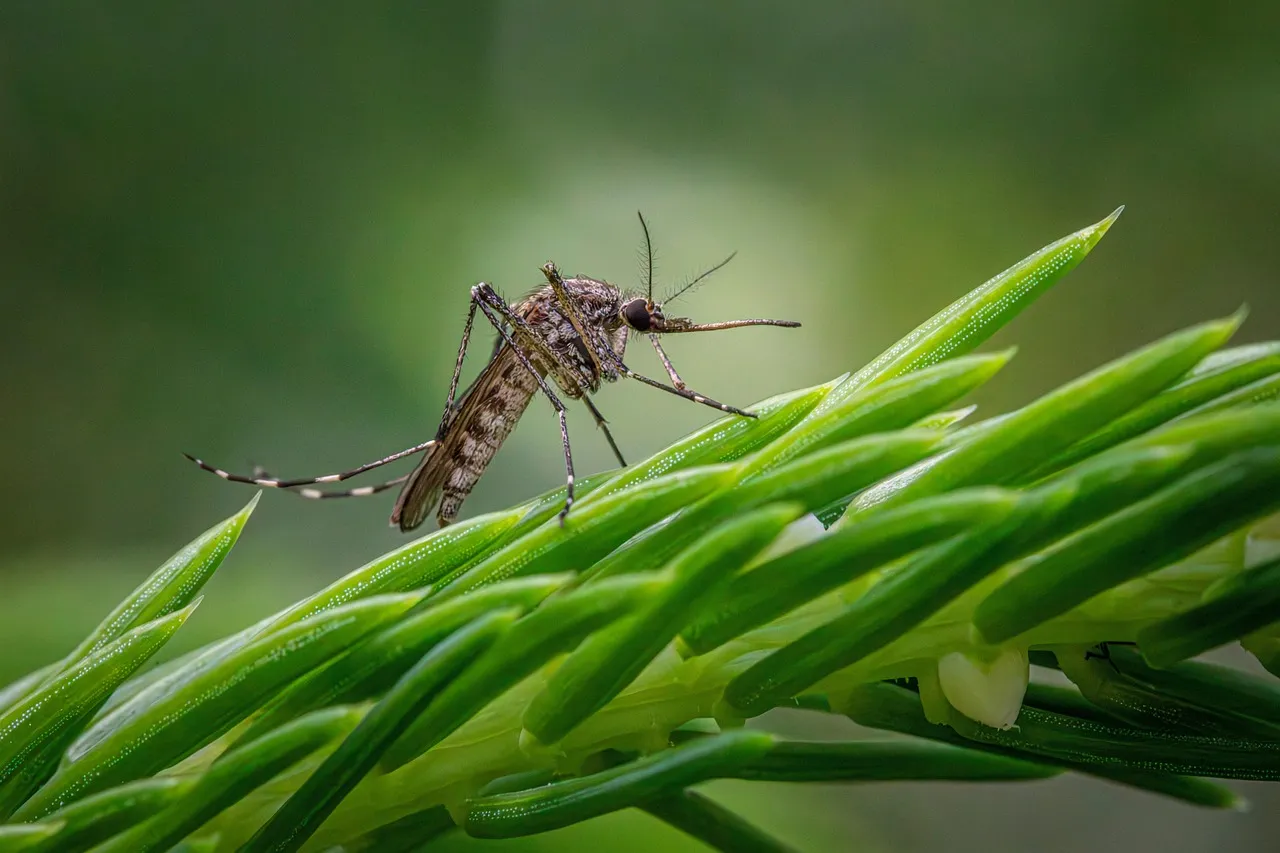
Photo by Erik_Karits on Pixabay
The departments are plain about the stakes. Victoria’s Better Health Channel says these diseases can make people ill, and that severe cases can be fatal. It also notes that heavy rainfall or floods can create ideal breeding conditions for mosquitoes, even outside the tropics.
Western Australia’s health department sets out what the common and the rarer illnesses look like, and its page is the source for the next three headings, except where Queensland is named.
Ross River virus and Barmah Forest virus
These are WA’s most common mosquito-borne diseases. The symptoms it lists are skin rashes, painful or swollen joints, sore muscles, flu-like symptoms such as fever, chills and headache, and tiredness or weakness. They can last for weeks or months. Only a specific blood test can confirm the disease, and the department’s advice is to see your GP if you have these symptoms.
Murray Valley encephalitis and Japanese encephalitis
These are rare but potentially fatal. Early symptoms named by WA Health are fever, drowsiness, headache, stiff neck, nausea and dizziness, and anyone with them should seek medical advice quickly. In young children, fever might be the only early sign; parents should see their doctor if worried, particularly if a child is drowsy, floppy, irritable, feeding poorly or generally distressed.
Vaccines
WA Health says there is a vaccine for Japanese encephalitis, but currently no cure or vaccine for the other diseases it lists. Its conclusion: the most effective way to prevent infection is to avoid being bitten. Queensland’s page adds that a free Japanese encephalitis vaccine is recommended for certain at-risk people.
One layer among several
No department relies on screens alone. NSW Health sums up its advice as “Spray up, Cover up, Clean up, Screen up!” Queensland arranges the same ideas under six headings: cover up, apply insect repellent, protect children, stop mosquitoes from getting inside, avoid mosquitoes when they are most active, and clean up around your home. The screen belongs to “stop mosquitoes from getting inside”.
Timing matters as well. NSW Health says most mosquitoes in NSW become active at dawn and dusk and into the evening. Queensland says bites can happen at any time of day, though some species are most active at dusk and dawn.
Indoors, NSW Health says aerosol sprays and vapour dispensing units can help clear or repel mosquitoes, but they are an extra layer on top of other measures, such as clothing and repellent, and not a replacement for them. It also says devices that kill insects by drawing them to a light and electrocuting them have not been shown to reduce mosquito numbers, and often kill harmless insects.
Nets, screens and the youngest skin
For babies, every page below pairs limits on repellent with nets or mesh. The age limits are not identical from state to state, so each is given here as its own department states it.
South Australia
Fit mosquito-proof mesh to doors and windows to keep mosquitoes from coming inside, and put mosquito-proof netting over prams and strollers when out.
On repellent, SA Health’s guide by age is: under 2 months, not recommended; from 2 months, repellents containing 10% DEET; from 12 months, repellents containing picaridin; from 3 years, repellents containing PMD, the active ingredient in oil of lemon eucalyptus.
Queensland
Repellent is not recommended for infants under 3 months. Dress babies under 3 months in light-coloured clothes that cover their arms, legs and feet, and put mosquito nets over prams and cots. Children under 5 should not apply repellent themselves: put it on the carer’s hands first, then spread it evenly on the child’s exposed skin.
New South Wales
Infants under 3 months can be protected with an infant carrier draped with mosquito netting secured along the edges. Most repellents are safe from 3 months used as directed, though some are recommended only from 12 months, so check the label. Don’t let children apply their own repellent.
Nationally, healthdirect
Repellent is not advised for babies under 3 months, and an adult should apply it for children under 5. Protect a young baby with clothing that covers the arms, legs and feet, and use mosquito nets over the pram and cot.
Every one of these four pages comes back to the same object: a net or mesh between the child and the mosquito. Keeping that mesh whole is the subject of caring for mesh, and fitting it to every opening of a house is in fighting the bite at home.